
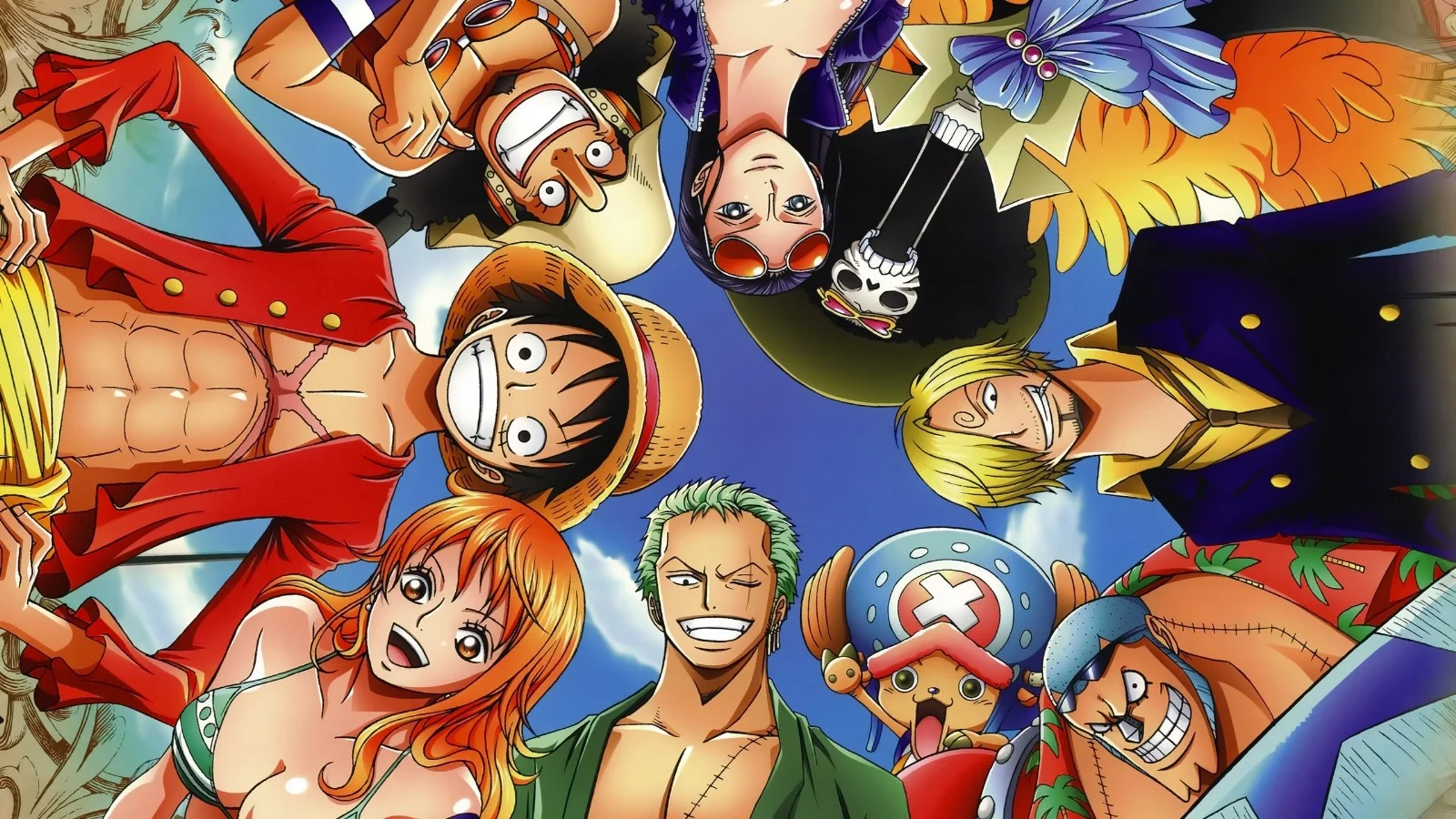
While One Piece is a profoundly original work, Eiichiro Oda has woven into it a dense network of cultural, historical, and mythological references. Here is an overview of the most important influences that shaped the universe of the best-selling manga in history.
Article written by the Wanted Store team — sources: One Piece manga vols. 1–110+ by Eiichiro Oda, Toei Animation anime, official SBS. Updated on April 26, 2026.
Real-Life Pirates from History
Many of Oda’s characters are inspired by pirates who actually existed:
- Edward Newgate (Whitebeard) — named after Edward Teach, the real Blackbeard of the 17th century. Oda inverted the concept: his Whitebeard is the peaceful antithesis of the ferocious historical pirate.
- Marshall D. Teach (Blackbeard) — bears the full name of the historical pirate Edward Teach. The complementarity of the two Beards is central to Oda’s story.
- Charlotte Linlin (Big Mom) — inspired by Anne Bonny and Mary Read, two of the most celebrated female pirates of the Golden Age of Piracy.
- Dracule Mihawk — a nod to Dracula and the Hawk-Eye Captain, a fusion of the gothic and the swordsman archetype.
- Bartolomeo — a possible reference to the Portuguese pirate Bartolomeu Português.
World Mythologies
Oda draws heavily on mythologies for his Mythical Zoan fruits and certain entire arcs:
Japanese Mythology (Wano Arc)
The Wano arc is a sweeping homage to Japanese mythology:
- Kaido as Seiryu (the blue dragon of the East) — one of the four sacred beasts of Chinese folklore adopted in Japan.
- Yamato as Okuchi no Makami — a divine Shinto wolf, guardian of the forests.
- Orochi as Yamata-no-Orochi — the eight-headed serpent slain by the god Susanoo in Japan’s founding myth.
- The story of Oden and the promise “In 20 years” evokes classical kabuki theatre, notably Kanjincho.
Greek and Christian Mythology
- Enel evokes El, the Semitic word for God, and his sky island Skypiea recalls the Greek Olympus.
- Sengoku the Buddha — Hito Hito no Mi, Model: Daibutsu, a reference to the Great Buddha of Kamakura or Nara.
- Marco the Phoenix — a mythical creature present in multiple cultures (Greek, Egyptian, Chinese).
Norse Mythology
The ship of Eustass Kid, the Victoria Punk, and his crew are aesthetically inspired by Vikings. His raw rivalry with Luffy echoes the legendary clashes of Ragnarök.
References to Other Manga and Anime
Oda is a great admirer of Akira Toriyama (Dragon Ball). Several visible traces:
- Luffy’s transformations in Gear 4 and Gear 5 recall Goku’s Saiyan transformations.
- The power-scaling structure (East Blue → Grand Line → New World) borrows from the classic shonen formula perfected by Dragon Ball.
- A direct nod: the arm of Pandaman (the mascot Oda hides in almost every crowd scene) — an homage to Toriyama’s chibi art style.
The Knights Templar and the Sacred
Several of Oda’s concepts touch on Western mythology:
- The Celestial Dragons (Tenryuubito) evoke both the corrupt European nobility and ancient gods detached from the common people.
- Mary Geoise, the capital of the World Government, visually resembles a utopian city somewhere between the Vatican and Atlantis.
- The concept of D. as the natural enemy of the Gods mirrors the dialectic of Templars versus Assassins (not unlike Assassin’s Creed).
Visual Art and Architecture
- Alabasta — visibly inspired by ancient Egypt (pyramids, the Sphinx, Anubis-reference in Pell).
- Skypiea — references to Pre-Columbian civilisations (Maya, Aztec).
- Water Seven — Italian Venice, with its canals and gondolas.
- Whole Cake Island — European pastries, the fairy tale of Hansel and Gretel.
- Wano — Japan of the Edo period (1603–1868).
- Dressrosa — Spain (bullfighting, flamenco, Andalusian architecture).
Names and Their Etymology
Many names carry a hidden meaning:
- Monkey D. Luffy — “Luffy” derives from “luff,” a nautical term for a sail turning into the wind.
- Roronoa Zoro — a combination of François l’Olonais (a French pirate) and Zorro (the masked swordsman).
- Sanji — means “third son” in Japanese (his siblings: Ichiji, Niji, Sanji, Yonji + Reiju).
- Nami — means “wave” in Japanese.
- Tony Tony Chopper — “Chopper” alludes both to helicopters and to blades (tied to his role as a doctor).
Frequently Asked Questions
Is One Piece Based on a Specific Work?
Not a single one. Oda has stated that Captain Hook, Stevenson’s Treasure Island, and the work of Toriyama were his founding influences. But One Piece is a personal synthesis of more than 25 years of manga and global pop culture.
Which Arcs Are Most Steeped in Cultural References?
Wano (Japanese mythology) and Egghead (references to science fiction and AI) are the arcs most densely packed with precise cultural references.
To explore all these references through the characters, visit our complete One Piece universe guide, or discover the Wanted Posters of iconic characters.